The 4-Pillar Compliance Assessment Framework Used by Hong Kong Banks
A successful Hong Kong corporate bank account business plan is an AML compliance defense dossier designed to satisfy institutional onboarding algorithms and internal risk committees. Rather than seeking commercial excitement or aggressive growth projections, banking reviewers look for verifiable evidence that the entity operates legally, generates clear cash flows, and introduces zero regulatory exposure under the regulatory oversight of the Hong Kong Monetary Authority (HKMA).
To eliminate ambiguity during account review, compliance officers assess every application through a structured vetting process: The 4-Vector Bank Compliance Risk Architecture (BCRA). This framework evaluates whether an applicant possesses real commercial legitimacy or presents an unmanageable compliance burden.

Banks score applications across these four interdependent vectors:
- Commercial Substance: Demonstrable corporate existence backed by verified operating history, supply agreements, and an established operational nexus rather than a hollow shell structure.
- Transaction Logic Plausibility: A transparent operational rationale explaining why payments flow through Hong Kong, supported by verified invoice lifecycles and realistic currency movements.
- Counterparty AML Risk: Comprehensive screening of your top upstream vendors and downstream buyers against global sanctions lists, high-risk financial jurisdictions, and PEP (Politically Exposed Persons) databases.
- Regulatory Footprint Alignment: Direct alignment with international tax transparency regimes, including the Common Reporting Standard (CRS), Foreign Account Tax Compliance Act (FATCA), and domestic licensing requirements.
“Institutional tier-1 banks in Hong Kong do not reject applicants because their business idea lacks scale. Rejections occur because the application fails to prove source of wealth or presents counterparties in high-risk corridors without verifiable trade documentation.”
— Raymond Cheng, Senior Corporate Banking Compliance Specialist
Anatomy of an HKMA-Compliant Business Plan: Required Documentation and Data
Traditional business plans prioritize market capture and venture capital equity valuation. By contrast, a bank-ready compliance plan emphasizes transactional clarity, operational history, and verifiable solvency.
Securing corporate onboarding requires translating your operational model into standard banking terminology. If your enterprise was recently incorporated via Hong Kong Company Registration, the bank evaluates your historical business background to establish commercial validity.
| Plan Section | Compliance Officer Focus | Mandatory Evidentiary Proof |
|---|---|---|
| Executive Corporate Profile | Clear ownership chain and Know Your Customer (KYC) hierarchy. | Certificate of Incorporation, NNC1 form, register of significant controllers. |
| Source of Wealth & Funds | Legitimate origin of startup capital and initial deposits. | Audited accounts of parent entity, personal tax returns, 6-month director bank statements. |
| Operational Settlement Flows | Currency settlement corridors, monthly transaction volume, payment frequency. | Step-by-step funds flow diagrams, fee schedules, customer payment gateways. |
| Counterparty Dossier | Sanctions risk and operational credibility of primary trading partners. | Executed contracts, invoices, bills of lading, countersigned letters of intent (LOI). |
| Financial Projections | Defensible annual turnover estimates aligned with initial capital. | Conservative 12-to-24 month cash flow balance sheets and revenue rationales. |
Cross-border businesses must detail how transactions settle through Hong Kong. Compliance teams routinely check if turnover forecasts align with past balance sheets, which is why integrated Accounting and Audit Services are crucial when structuring historical trade histories.
Bank Profiling: HSBC vs Bank of China vs Standard Chartered vs Virtual Banks
Hong Kong institutions maintain distinct risk tolerances and compliance priorities. A generic business plan submitted across multiple institutions without custom adjustments often leads to automatic compliance holds.
Tier-1 retail institutions such as HSBC and Standard Chartered demand verified operational substance and physical director presence. Meanwhile, HKMA-regulated virtual institutions prioritize digital transaction tracking, clear software supply pipelines, and programmatic settlement transparency.

| Institution Type | Primary Target Model | Substance & Nexus Threshold | Typical Onboarding Timeline |
|---|---|---|---|
| Tier-1 Global Banks (e.g., HSBC, Standard Chartered) | Multinational trade, established holding companies, high balance volumes. | High: Demands established commercial roots, regional contracts, and physical director interviews. | 4 to 8 Weeks |
| Regional Tier-1 Banks (e.g., Bank of China HK, OCBC, DBS) | Mainland-Hong Kong bilateral commerce, APAC supply chain operators. | High: Focuses on Chinese Mainland corporate cross-holdings and verified upstream logistics. | 3 to 6 Weeks |
| Mid-Tier Domestic Banks (e.g., BEA, Chong Hing) | Local trading SMEs, light manufacturers, import/export operations. | Moderate: Requires local commercial counterparts and verified client references. | 4 to 7 Weeks |
| HKMA Virtual Banks (e.g., ZA Bank, PAObank) | SaaS platforms, e-commerce, digital consultancies, tech startups. | Digital Nexus: Remote verification; requires clear digital settlement logic and transparent payment trails. | 1 to 3 Weeks |
Securing approval across any of these banking tiers requires presenting an application that matches each institution’s operational requirements. Founders can explore end-to-end management via dedicated Hong Kong Bank Account Opening services to ensure accurate document pre-vetting.
Niche Scenario: Non-Resident Cross-Border Startups and Web3 Entities
Non-resident founders and cross-border digital operations encounter the tightest compliance checks in Hong Kong. Applications from offshore companies without local offices, staff, or regional trading track records are often classified as high risk by compliance screening software.
This scrutiny is particularly intense for cross-border software enterprises, Web3 platforms, and digital consultancies. Without a physical footprint in Hong Kong, compliance managers must verify that the corporate formation is not an offshore conduit designed to obscure ultimate beneficial ownership.
To establish commercial legitimacy without taking on unnecessary physical overhead, founders rely on a licensed Trust or Company Service Provider (TCSP). Holding TCSP License TC010076 issued by the Hong Kong Companies Registry, Olesen Global (傲承环球) provides the compliance infrastructure necessary to prove legitimate business operations:
- Physical Statutory Address & Substance: Establishing verified company operational records at our Hong Kong office to ensure transparent regulatory access.
- Governance and Compliance Registry: Structuring registers of directors and significant controllers under accredited Company Secretary Services.
- Verified Transaction Footprints: Drafting banking dossiers that translate digital services, recurring software fees, and tokenomics into clear, compliant business models.
- Direct Relationship Management: Arranging pre-vetted compliance reviews with institutional account managers, avoiding third-party agency markups.
“When non-resident tech startups apply for an account in Hong Kong, compliance teams do not need a multi-year office lease. They require verified local governance, transparent beneficial ownership, and an audit trail showing that operational funds pass through regulated, legitimate channels.”
— Head of Onboarding Governance, Olesen Global
Data-Driven Red Flag Matrix: Common Causes of Automatic Application Rejection
Bank compliance decisions are heavily automated. Internal onboarding algorithms score business plans before a relationship manager ever sees the file, flagging discrepancies that trigger automatic rejections.
Empirical banking data indicates that over 70% of corporate onboarding delays and rejections stem from four avoidable documentation errors:
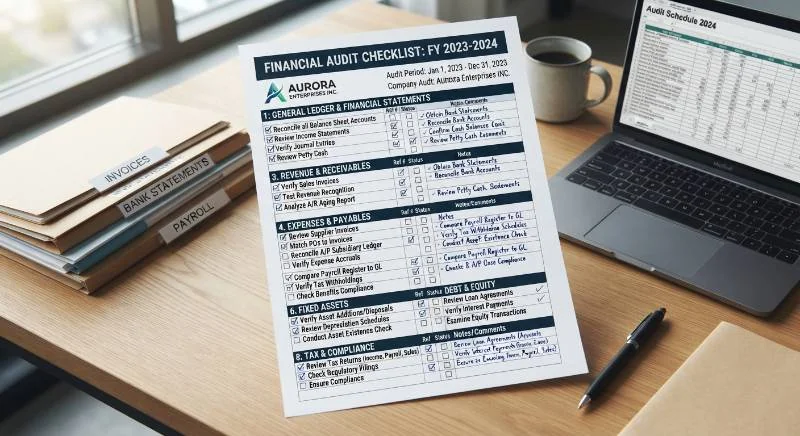
- Unrealistic Revenue Projections: Forecasting $10 million in year-one turnover with only $1,000 in startup capital triggers anti-money laundering risk alerts. Keep revenue estimates modest, defensible, and directly tied to your working capital.
- High-Risk Geographic Counterparties: Listing suppliers or buyers in sanctioned countries or FATF grey-listed jurisdictions leads to immediate denials.
- Vague Invoicing Descriptions: Listing generic items like “management consulting” or “software development” without underlying contracts, technical scopes of work, or milestone schedules looks suspicious during manual review.
- Opaque Shareholding Structures: Layered offshore corporate holdings that obscure the ultimate beneficial owners (UBOs) fail standard HKMA Know Your Customer tests.
Compliance Dossier Verification Checklist
Before submitting your documentation to an institutional or virtual bank, confirm that your dossier includes each of these components:
- Defensible annual turnover forecasts matching committed startup capital.
- Detailed customer and supplier profiles showing complete company names, websites, and jurisdictions.
- Two or more signed counterparty draft contracts, invoices, or formal letters of intent.
- Comprehensive CVs of directors detailing their commercial and industry experience.
- Clear corporate ownership chart identifying all beneficial owners holding 10% or more equity.
- Complete historical bank statements for parent or sister corporate entities.
The Pre-Vetting Mechanism: Why Direct TCSP Oversight Eliminates Account Rejections
Submitting an unvetted corporate application directly to a retail bank branch carries significant risk. If an application is formally rejected by an institutional compliance committee, that decision is logged in their internal records, making subsequent applications at sister institutions much harder.
Working with a first-hand licensed provider eliminates this risk. Olesen Global (傲承环球) operates with physical offices in Hong Kong under TCSP License TC010076. We run direct preliminary reviews with bank managers, clearing your business model, trade counterparts, and transaction logic before you submit a formal application.
This direct approach provides three clear operational benefits:
- No Intermediaries: Direct communication with institutional account teams at HSBC, Standard Chartered, Bank of China, and OCBC ensures clear visibility on compliance expectations without third-party markups.
- Advance KYC Pre-Clearing: Trade contracts and funds flow diagrams are pre-screened to ensure they pass compliance checks before scheduling official director appointments.
- End-to-End Corporate Governance: We align your corporate structure across initial formation, statutory secretarial maintenance, and annual audits, ensuring full compliance throughout your company’s lifecycle.
Frequently Asked Questions About Hong Kong Corporate Banking Compliance
Can I use a standard startup pitch deck for a Hong Kong bank account?
A standard startup pitch deck is designed for venture capital investors and focuses on equity valuation, market capture, and high burn rates. These elements can trigger compliance red flags, as bank risk officers prioritize capital security, fraud prevention, and strict anti-money laundering controls.
A corporate banking business plan prepared by a licensed TCSP like Olesen Global focuses instead on commercial substance, verified counterparties, transparent cash flow origins, and defensible turnover estimates aligned with HKMA banking guidelines.
How can I ensure my business plan passes compliance before visiting Hong Kong?
You can safeguard your application by working with an authorized TCSP licensee like Olesen Global (TC010076). Licensed service providers conduct pre-submission reviews directly with institutional bank relationship managers.
This process pre-clears your corporate structure, upstream vendors, downstream customers, and transaction models before executives travel to Hong Kong for branch interviews or sign formal banking paperwork.
What causes immediate rejection of a Hong Kong corporate account business plan?
Immediate rejections are typically caused by vague business descriptions, suppliers or buyers located in sanctioned or high-risk jurisdictions, lack of verifiable invoices or trade contracts, and unrealistic first-year turnover projections that do not match initial paid-up capital.
Automated bank compliance systems categorize these inconsistencies as potential money-laundering risks, which often leads to an unappealable rejection.
Secure Your Hong Kong Corporate Banking Approval with Olesen Global
Do not let an avoidable compliance rejection delay your international operations. Partner directly with an authorized Hong Kong TCSP licensee to pre-vet your business plan, address compliance concerns, and open your corporate bank account with total confidence.
Comprehensive pre-audit of your business profile and counterparty risks.
Drafting an HKMA-aligned plan with verified transaction logic.
Direct pre-clearance with institutional relationship managers.