The 5-Dimension Corporate Exit Evaluation Framework: Defining Your Statutory Pathway
While initial Hong Kong Company Registration requires just 1 to 2 business days for a digital certificate, a minimum HK$1 paid-up capital with no mandatory capital lockup, and mandatory governance personnel (1 natural person director, 1 licensed local TCSP company secretary under TC010076, and an onshore registered office), dissolving a corporate entity demands rigorous statutory clearance. Choosing between administrative deregistration (5 to 7 months) and formal liquidation (9 to 18 months) depends entirely on balance sheet solvency, asset liquidity, and tax compliance status.
International CFOs and general counsels use The Olesen 5-Dimension Exit Protocol to determine whether an entity qualifies for administrative dissolution or requires a licensed liquidator. Selecting the wrong route triggers immediate rejection from the Companies Registry (Hong Kong) or exposes directors to personal fiduciary liability.
Corporate Deregistration (Cap. 622 Section 749): A statutory administrative mechanism allowing a defunct, solvent private company or company limited by guarantee to dissolve its legal personality without court intervention or appointing a liquidator, provided it holds zero assets and zero liabilities.
Executives must evaluate corporate exit readiness across five strict regulatory dimensions:
- Dimension 1: Company Solvency & Contingent Liabilities: Verification of absolute debt clearance, including intercompany loans, trade payables, and unfulfilled lease commitments.
- Dimension 2: Corporate Tax Compliance & IRD Clearance: Completion of final statutory audits and issuance of the Notice of No Objection (Form IR1263) by the Commissioner of Inland Revenue.
- Dimension 3: Asset Distribution & Bank Account Status: Complete liquidation of non-cash assets, intellectual property assignments, and formal bank account closure prior to Gazette notification.
- Dimension 4: Statutory Timeline Parameters: Alignment of group restructuring deadlines with the 5-to-7-month deregistration window versus the 9-to-18-month liquidation cycle.
- Dimension 5: Director Exposure & Fiduciary Liability Management: Mitigation of criminal false declaration risks and compliance with the 6-year statutory book retention mandate.
| Evaluation Dimension | Administrative Deregistration (Cap. 622 s.749) | Members Voluntary Winding Up (Cap. 32 MVWU) | Creditors Voluntary Winding Up (Cap. 32 CVWU) |
|---|---|---|---|
| Solvency & Debt Profile | 100% debt-free; zero contingent or third-party liabilities. | Solvent; able to pay debts in full within 12 months of commencement. | Insolvent; liabilities exceed asset realization value. |
| Shareholder Approval Threshold | 100% unanimous consent required from all members. | 75% special resolution of voting members. | 75% special resolution (or ordinary resolution if unable to continue due to debt) + creditors meeting. |
| Operational Inactivity Mandate | Minimum 3 consecutive months of complete operational cessation prior to application. | No prior waiting period; operations cease upon passing the winding-up resolution. | Immediate cessation upon appointment of provisional liquidator. |
| Asset Distribution Mechanism | Must be zeroed out before filing; leftover assets forfeit as bona vacantia. | Licensed liquidator formally realizes assets and distributes surplus capital to shareholders. | Liquidator realizes assets to pay creditors pari passu per statutory priority. |
| Statutory Timeline & Finality | 5 to 7 months; subject to a 20-year court restoration window by aggrieved parties. | 9 to 18 months; provides high legal finality upon dissolution. | 12 to 36+ months; supervised by creditors committee and Official Receiver’s Office. |
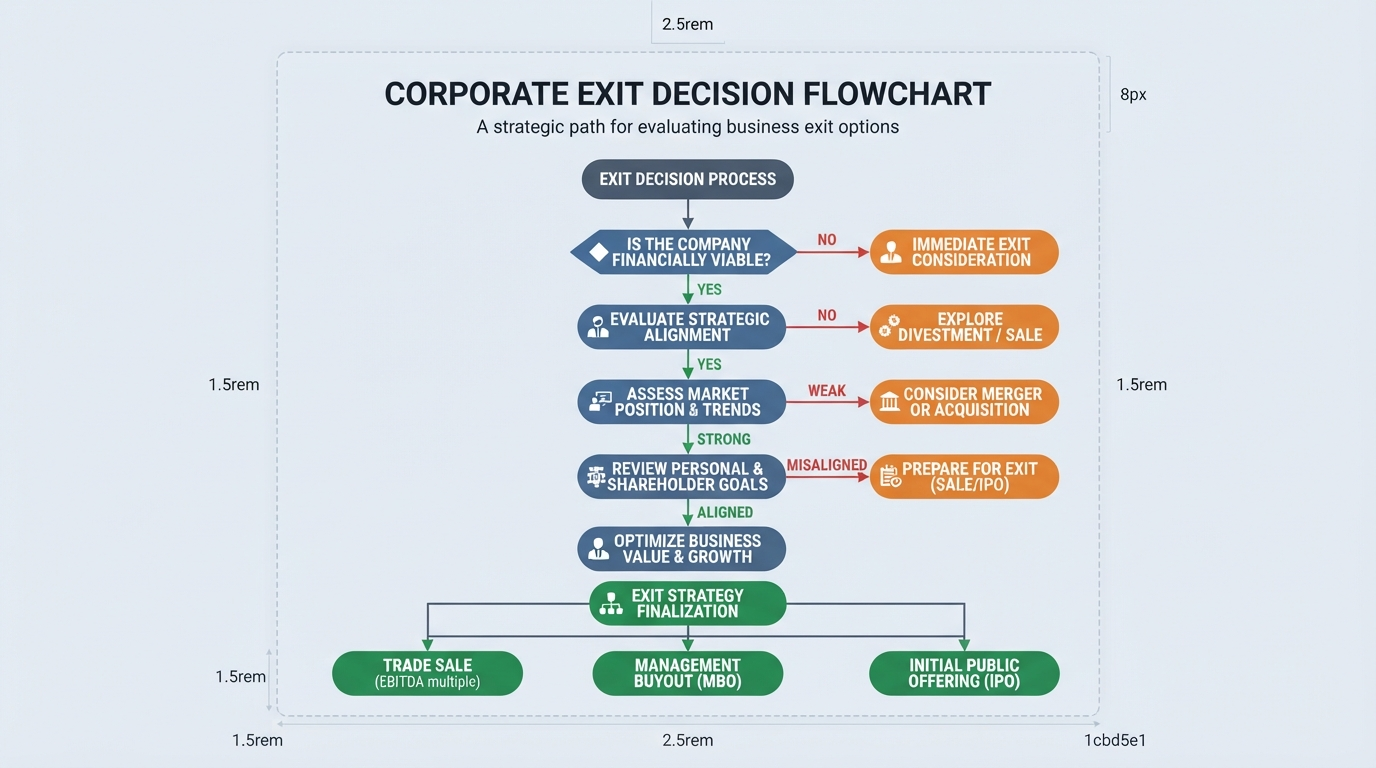
Solvency, Contingent Liabilities, and Unanimous Shareholder Consent Criteria
Section 750 of the Hong Kong Companies Ordinance (Cap. 622) imposes six strict preconditions before a company can submit Companies Registry Form NDR1. If a company fails even one threshold, the application is legally invalid.
- 100% Unanimous Member Consent: Every registered shareholder must agree to the deregistration in writing, regardless of voting class. A single dissenting minority shareholder holding 1% equity blocks the entire administrative route.
- Minimum 3-Month Inactivity: The entity must either have never commenced business since incorporation or must have ceased all commercial operations for at least 3 consecutive months immediately preceding the application.
- Zero Outstanding Liabilities: All bank debts, trade payables, employee severance obligations, tax liabilities, and intercompany balances must equal zero.
- Not a Party to Legal Proceedings: The company cannot be involved in any pending litigation, arbitration, or regulatory investigation in Hong Kong or overseas.
- No Immovable Property in Hong Kong: Neither the company nor any of its subsidiaries (if the applicant is a holding company) may hold real estate in Hong Kong.
- Excluded Entity Classifications: Public companies, authorized financial institutions, insurers, licensed corporations under the Securities and Futures Ordinance, and Mandatory Provident Fund trustees are strictly barred from deregistration under Section 749(2).
Under Section 750(6), any director or applicant who knowingly or recklessly provides false information on Form NDR1 regarding outstanding debts or operational status commits a criminal offense. Convicted individuals face a statutory fine of HK$300,000 and imprisonment for up to 2 years.
Members Voluntary Liquidation (MVWU) vs Creditors Voluntary Winding-Up Benchmarks
When a solvent Hong Kong company holds substantial surplus capital, complex share premium accounts, or minority shareholders who refuse to grant 100% unanimous consent, executives must execute a Members Voluntary Winding Up MVWU under Cap. 32. Unlike deregistration, an MVWU requires only a 75% special resolution of shareholders.
To initiate an MVWU, the majority of directors must conduct a thorough financial inquiry and sign a statutory Certificate of Solvency under Section 233 of Cap. 32. This certificate confirms that the company can pay all debts in full within a maximum period of 12 months from the commencement of winding up. The certificate must be delivered to the Companies Registry within 5 weeks prior to passing the winding-up resolution.
Upon passing the resolution, the company appoints a liquidator appointment Hong Kong practitioner (typically a Certified Public Accountant or solicitor) who takes legal control of the company’s affairs. The liquidator settles remaining tax liabilities, converts residual assets into cash, and distributes capital reserves directly to shareholders without triggering dividend withholding concerns in foreign parent jurisdictions. Conversely, if directors cannot sign the Certificate of Solvency due to negative net equity, the process converts into a Creditors Voluntary Winding Up (CVWU), where creditors control the liquidator appointment.
Total Cost of Ownership: Formal Dormancy vs Deregistration vs Liquidation
Multinational groups often debate whether to permanently dissolve a Hong Kong entity or declare statutory dormancy under Section 5 of Cap. 622 to preserve the corporate shell, banking history, or brand name for future Asia-Pacific expansion. Evaluating a dormant company status vs striking off or liquidation requires examining multi-year compliance maintenance costs against one-time exit fees.
While declaring statutory dormancy via a special resolution exempts a private company from filing Annual Returns (Form NAR1) and preparing annual audited financial statements, the entity must still maintain a licensed Company Secretary Services provider, a registered office address, a Significant Controllers Register (SCR) Designated Representative, and renew its Business Registration Certificate annually.
| Statutory Regulatory Item / Requirement | Official Government Fee (Statutory Cost) | Typical Middleman / Broker Quote (Hidden Markups) | Olesen Global Direct Licensed Model (TCSP TC010076) |
|---|---|---|---|
| Form NNC1 Incorporation Filing | HK$1,720 (Paper) / HK$1,545 (e-Registry) | HK$4,500 – HK$6,800 (200%–300% markup + disbursement padding) | Transparent flat-rate package; exact government fee pass-through. |
| Business Registration Certificate (BRC) | HK$2,150 (Annual statutory levy) | HK$3,800 – HK$5,200 (Bundled with unverified “handling surcharges”) | Direct IRD settlement at exact statutory rate; zero hidden surcharges. |
| SCR Designated Representative Appointment | HK$0 (Statutory compliance mandate under Cap. 622) | HK$2,500 – HK$4,500/yr (Subcontracted to third-party shell agents) | Direct in-house TCSP representation included in core compliance scope. |
| Annual Return (Form NAR1) Filing | HK$105 (Within 42-day anniversary window) | HK$1,500 – HK$3,000 (Plus arbitrary courier and printing fees) | Included in transparent annual secretarial retainer; direct e-filing. |
| Deregistration Filing (Form IR1263 + Form NDR1) | HK$270 (IR1263) + HK$420 (NDR1) = HK$690 total | HK$6,500 – HK$12,000+ (Non-refundable fees + hidden IRD query charges) | Fixed-price direct dissolution execution with zero hidden disbursements. |
| Lifecycle Stage / Horizon | Active Operating Company | Statutory Dormant Company (Cap. 622 s.5) | Deregistration (Cap. 622 s.749) | Members Voluntary Liquidation (Cap. 32) |
|---|---|---|---|---|
| Year 1: Incorporation & SCR Setup / Exit Initiation | Form NNC1 (HK$1,720), BRC (HK$2,150), TCSP Secretary & SCR Setup. | Special resolution filing (Form ND4), BRC renewal (HK$2,150), TCSP Secretary. | Cessation audit, Form IR1263 (HK$270), Form NDR1 (HK$420), final dissolution in 5–7 months. | Solvency declaration, liquidator appointment, Gazette notices, tax clearance (HK$35,000–HK$80,000+). |
| Year 2: NAR1 & BR Renewal | Annual Return NAR1 (HK$105), BRC (HK$2,150), Registered Office & TCSP renewal. | NAR1 exempt; BRC (HK$2,150) & TCSP Registered Office still mandatory. | HK$0 (Entity legally dissolved; zero ongoing statutory fees). | Final general meeting & dissolution complete (HK$0 ongoing after conclusion). |
| Year 3: Statutory Audit & Profits Tax Return (Cap. 112) | Full CPA statutory audit, Profits Tax Return filing, NAR1 & BRC renewal. | Audit exempt (provided zero accounting transactions occur); BRC & TCSP renewal required. | HK$0 (Statutory books retained for 6 years by nominated custodian). | HK$0 (Books retained for 5 years prior to authorized destruction). |
Cross-Border Holding Vehicles & Trading Subsidiaries: Strategic Dissolution Without Parent Liability
Dissolving cross-border holding vehicles or trading subsidiaries in Hong Kong requires clean administrative closure, complete zero-liability proof, and official tax discharge without exposing multinational parent entities or foreign directors to statutory non-compliance penalties. When a regional Special Purpose Vehicle (SPV) divests its Mainland China, ASEAN, or European subsidiaries, the Hong Kong parent entity cannot apply for deregistration until all equity transfers are stamped and intercompany balances are extinguished.
Olesen Global executes company dissolutions via direct licensed practitioner status under TCSP License TC010076, eliminating subcontracted third-party intermediaries, delivering direct liaison with the Inland Revenue Department and Companies Registry, and providing transparent, fixed-price dissolution packages with zero hidden filing disbursements.
Intercompany Debt Waiver Protocols and Capital Repatriation Before Filing
In cross-border corporate groups, the primary obstacle to a compliant solvent company dissolution is an uncalibrated intercompany balance sheet. Many Hong Kong trading subsidiaries carry substantial amounts “due to” or “due from” a foreign parent company or fellow subsidiary. Before lodging Form IR1263, all intercompany receivables and payables must be brought to zero.
However, executing a simple board resolution to waive an intercompany payable creates a severe tax trap under Section 15(1)(c) of the Inland Revenue Ordinance (Cap. 112). If a Hong Kong subsidiary previously claimed a tax deduction for management fees, royalties, or inventory purchases owed to its parent company, and that trading debt is subsequently waived prior to deregistration, the IRD treats the waived amount as a taxable trading receipt in the final assessment year.
To prevent unexpected Profits Tax liabilities during final Accounting & Audit clearance, multinational groups must structure balance sheet cleanup through two formal mechanisms:
- Deed of Debt Forgiveness (Non-Trading Loans): If the intercompany payable represents a pure capital advancement or non-trade shareholder loan that never generated a tax deduction in Hong Kong, the parent and subsidiary must execute a formal Deed of Waiver under seal.
- Loan Capitalization (Debt-to-Equity Swap): If the intercompany balance arose from trading transactions, the parent company should subscribe for new shares in the Hong Kong subsidiary, setting off the subscription price against the outstanding payable via Form NSC1 (Return of Allotment). Once converted into share capital, the liability is extinguished without triggering Section 15(1)(c) deemed trading income.
Why Direct Licensed TCSP Execution Protects Multinational Directors
Under the Anti-Money Laundering and Counter-Terrorist Financing Ordinance (Cap. 615), providing corporate secretarial services, acting as a designated representative, or managing statutory registry filings in Hong Kong by way of business requires a valid TCSP license. Unlicensed overseas incorporation brokers and middleman agencies routinely accept dissolution fees from foreign founders and secretly subcontract the filings to cut-rate local agents.
Across corporate dissolution mandates managed by our compliance directorate, our initial documentation clearance rate reaches 98.6% on first submission to the IRD, compared to the broader industry average where over 34% of middleman-handled applications stall due to unanswered tax assessor queries or unverified cessation dates. When an unlicensed middleman drops communication during the 5-to-7-month Gazette period, annual return deadlines lapse, triggering immediate prosecution summonses against the foreign directors.
Tax Clearance, Audit Prerequisites, and Bona Vacantia Risk Mitigation
The Companies Registry will not accept a deregistration application unless it is accompanied by an original, unexpired Notice of No Objection Form IR1263 issued by the Commissioner of Inland Revenue. Securing this tax clearance certificate is the most technically demanding phase of corporate dissolution.
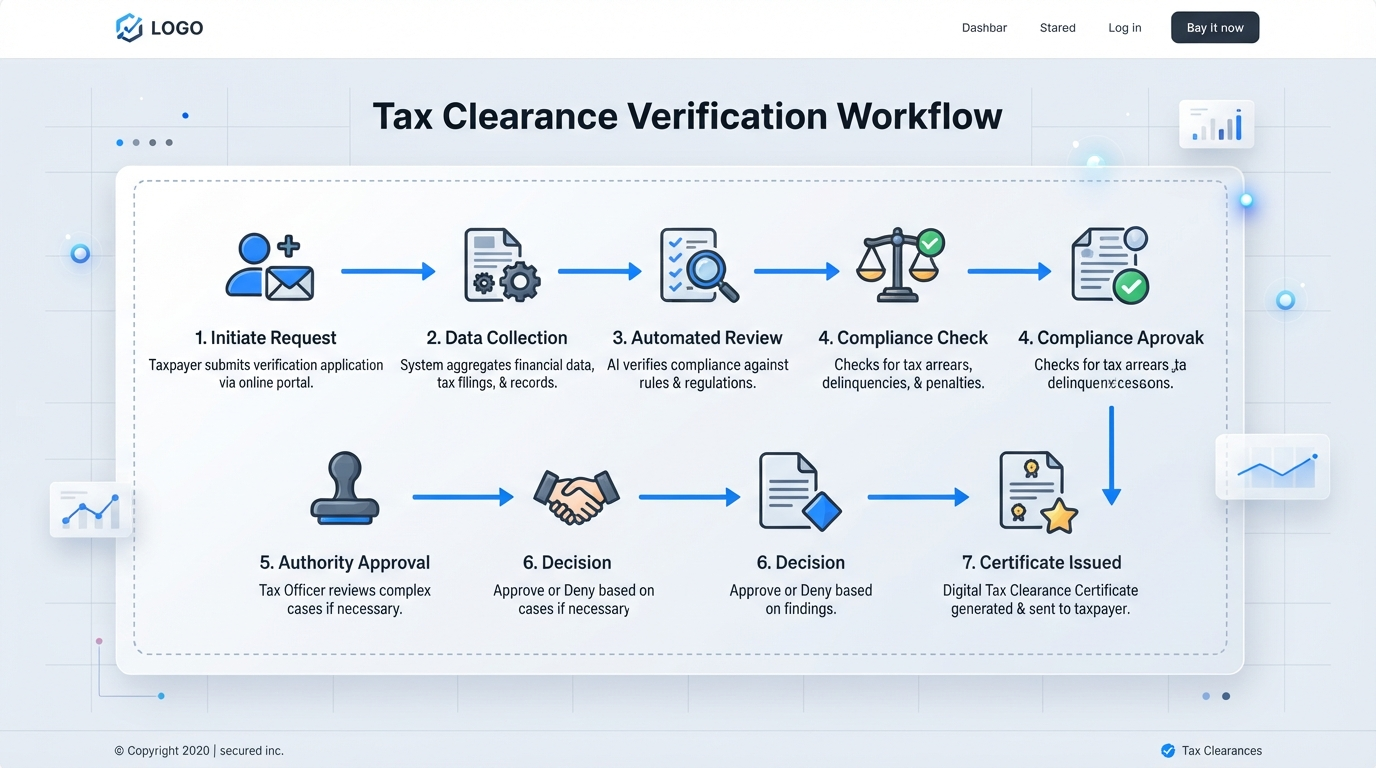
Securing Form IR1263 (Notice of No Objection) and Final Audited Financial Statements
To obtain Inland Revenue Department clearance, the applicant submits Form IR1263 along with a statutory non-refundable application fee of HK$270 to the Inland Revenue Department (IRD). The Commissioner of Inland Revenue immediately audits the entity’s historical compliance file across four tax units: Profits Tax, Employer’s Returns, Property Tax, and Business Registration.
The IRD refuses to issue a Notice of No Objection if any of the following deficiencies exist:
- Unfiled Final Cessation Audit: If the company ever commenced operations, it must prepare final audited financial statements audited by a Hong Kong Practising CPA up to the exact date of business cessation, accompanied by a final Profits Tax Return (BIR51).
- Unresolved Employer’s Returns (BIR56A / IR56F): The company must have filed all final employee cessation notifications confirming zero active payroll obligations.
- Outstanding Business Registration Fees or Surcharges: All historical Business Registration fees must be settled in full. If the company’s Business Registration anniversary falls shortly after the cessation date, a formal written notification of cessation must be filed within 1 month under Section 8 of the Business Registration Ordinance (Cap. 310) to avoid incurring another year’s HK$2,150 levy.
“The single most frequent trigger for Form IR1263 rejection is a chronological mismatch between the declared date of business cessation and the final corporate bank statement. If a director declares that business ceased on June 30, yet the bank statement shows commercial receipts or supplier payments in July, the IRD tax assessor will reject the audit cutoff date and demand a supplementary audit period. We synchronize final bank closure and cessation accounting down to the exact calendar day before lodging IR1263.”
— Senior Corporate Compliance Director, Olesen Global (TCSP License TC010076)
Once all tax obligations are cleared, the IRD issues the Notice of No Objection within 21 business days. Critically, the applicant must lodge Form NDR1 with the Companies Registry within 3 months from the issue date of the Notice of No Objection. If this 90-day validity window expires, the applicant must restart the IR1263 application and pay a fresh fee.
Bank Account Closure Sequencing: Preventing Asset Forfeiture Under Bona Vacantia
Just as initial Bank Account Opening requires strict KYC sequencing (where our pre-screening protocol achieves a typical turnaround of 12 business days versus the industry average of 28 days), closing a corporate bank account during dissolution requires exact timing to avoid permanent asset loss.
Bona Vacantia (Cap. 622 Section 752): The statutory legal doctrine under which all property and rights whatsoever vested in or held on trust for a company immediately before its dissolution automatically vest in the Government of the Hong Kong Special Administrative Region as ownerless property.
If a company dissolves while holding HK$500,000 in its HSBC, Standard Chartered, or fintech account, the bank immediately freezes the account upon Gazette publication and transfers the entire balance to the Hong Kong Government. Recovering funds forfeited as bona vacantia requires petitioning the Court of First Instance under Section 765 of Cap. 622 to restore the company to the register—a complex litigation process costing upwards of HK$60,000 to HK$120,000 in legal fees and government registrar costs.
To prevent bona vacantia forfeiture, directors must execute the following disposal sequence before submitting Form NDR1:
- Step 1: Settle Final Professional & Audit Fees: Pay the CPA audit fee, TCSP dissolution fee, and any residual bank maintenance charges directly from the corporate account.
- Step 2: Repatriate Residual Cash: Transfer the remaining cash balance to the shareholders via a compliant return of capital or final dividend distribution, bringing the bank balance to exactly HK$0.00.
- Step 3: Obtain the Official Bank Closure Certificate: Submit board resolutions to close the bank account and obtain the bank’s final zero-balance statement and closure confirmation letter.
- Step 4: Assign Intellectual Property & Subsidiaries: Execute formal deeds of assignment for any registered trademarks, domain names, or software patents so they do not become trapped in a dissolved entity.
Hong Kong Corporate Dissolution Timelines, Gazette Benchmarks & Compliance Data
Once Form NDR1 and the original Notice of No Objection are delivered to the Companies Registry (Hong Kong) alongside the HK$420 statutory filing fee, the Registry reviews the formal declarations within 5 business days and initiates the statutory Gazette notification procedure.
Under Section 751 of Cap. 622, the Registrar publishes a first notice in the Hong Kong Government Gazette announcing the proposed deregistration. This publication opens a mandatory 3-month statutory objection window. During these 90 days, any creditor, shareholder, government department, or aggrieved party may lodge a written objection with the Registrar to halt the dissolution. If no objection is received within the 3-month window, the Registrar publishes a second Gazette notice declaring the company officially dissolved on the date of publication.
“Dissolution in the Government Gazette terminates the company’s legal existence, but it does not extinguish the post-dissolution statutory obligations of former directors. Under Section 758 of Cap. 622, every person who was a director immediately before dissolution must ensure that the company’s accounting books, financial statements, and corporate registers are securely kept for at least 6 years after the date of dissolution. Failing to retain these records carries a fine of HK$10,000.”
— Head of Statutory Secretarial Practice, Olesen Global
Furthermore, executives must note a critical compliance rule under Section 753: while a deregistration application is pending in the 3-month Gazette window, the company remains legally alive. If the company’s incorporation anniversary falls prior to the publication of the second Gazette notice, the company must still file its Annual Return (Form NAR1) to prevent late penalties and prosecution before final closure.
Statutory Corporate Dissolution & Exit Execution Roadmap
Statutory Roadmap
Cessation & Asset Disposal
- 100% Unanimous Member Resolution
- Zero-Out Bank Accounts & Debts
Cessation Audit & IR1263
- Final CPA Cessation Audit & BIR51
- Secure IRD Notice of No Objection
Form NDR1 & 1st Gazette
- Lodge Form NDR1 within 90 Days
- 3-Month Statutory Objection Window
2nd Gazette & Archiving
- Final Dissolution Gazette Notice
- 6-Year Statutory Record Custody
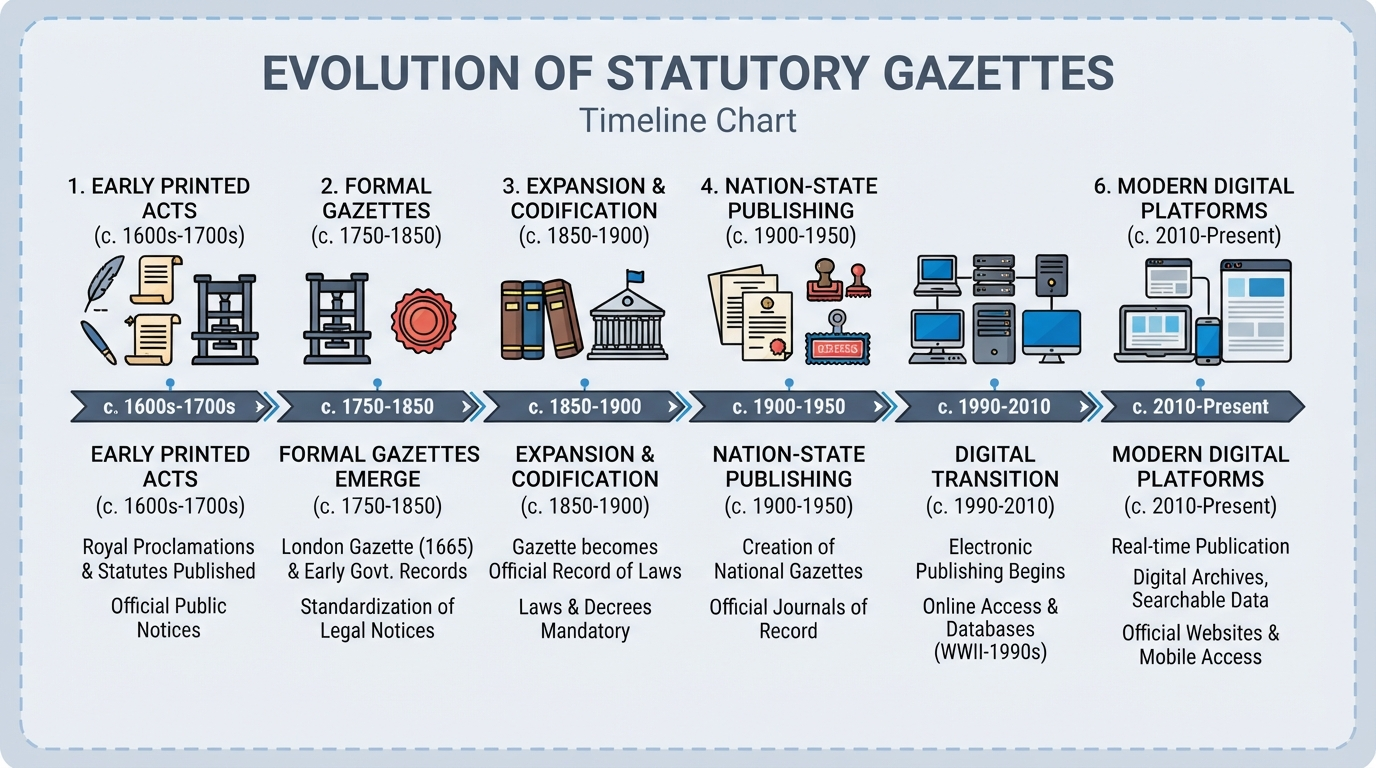
Frequently Asked Questions: Deregistration, Liquidation & Regulatory Verification
What is the primary difference between Hong Kong company deregistration and members voluntary liquidation?
Deregistration under Cap. 622 is a streamlined administrative route designed for solvent, inactive private companies with no outstanding liabilities, no immovable property, and unanimous member consent. It requires obtaining a Notice of No Objection from the Inland Revenue Department and takes approximately 5 to 7 months. Members Voluntary Winding Up (MVWU) under Cap. 32 is a formal liquidation route required when a company has substantial remaining assets, unresolved creditor commitments, or requires a licensed liquidator to realize assets, distribute surplus capital to shareholders, and extinguish legal personality decisively over 9 to 18 months.
Why is it critical to use a licensed TCSP provider for Hong Kong company dissolution?
Under Hong Kong law (Anti-Money Laundering Ordinance Cap. 615), corporate dissolution, statutory registry notifications, and corporate secretarial management must be handled directly by directors or a licensed Trust or Company Service Provider (TCSP). Engaging a verified TCSP license holder like Olesen Global (License TC010076) guarantees direct execution, accurate registry submissions via Form NDR1, and legitimate tax clearance handling, preventing severe director liability or improper dissolution that can cause remaining corporate bank balances to forfeit to the Hong Kong government as bona vacantia.
What risks arise if a Hong Kong company ceases filing annual returns instead of formally deregistering?
Abandoning a company without formal deregistration or liquidation results in compounding late filing penalties, statutory fines of up to HKD 50,000 per violation, and criminal court summonses issued against directors under the Companies Ordinance. Furthermore, bank accounts will freeze, and any undistributed corporate funds automatically transfer to the Hong Kong Special Administrative Region government under bona vacantia. Proper dissolution with an authorized TCSP like Olesen Global ensures lawful release of all director fiduciary obligations.
Execute a Compliant Corporate Exit: Your 3-Step Action Path with Olesen Global
Closing a Hong Kong corporate entity requires exact coordination between your accounting auditors, corporate bankers, the Inland Revenue Department, and the Companies Registry. Olesen Global provides a streamlined 3-step execution path designed for international founders and corporate groups:
- Step 1: Solvency & Regulatory Diagnostic: Assess corporate asset status, intercompany loan structures, outstanding tax returns, and corporate register compliance to confirm eligibility for Cap. 622 deregistration versus Cap. 32 liquidation.
- Step 2: IRD Tax Clearance & Filing: Coordinate final cessation audits, secure the Notice of No Objection (Form IR1263), and lodge Form NDR1 directly with the Companies Registry without third-party intermediaries.
- Step 3: Formal Gazette Publication & Final Dissolution: Monitor the 3-month statutory Gazette notice period, verify bank account closure sequencing, and deliver your official Certificate of Dissolution alongside 6-year statutory archiving protocols.
Schedule a 1-on-1 Dedicated Compliance Advisor Consultation today to evaluate your balance sheet and initiate a clean, penalty-free corporate exit.
Request Your Complimentary Hong Kong Company Dissolution & Tax Status Assessment
Request a complimentary 1-on-1 Hong Kong Company Dissolution & Tax Status Assessment with a licensed compliance advisor to determine whether deregistration or liquidation is the most cost-effective path for your business.
Direct Execution (No Subcontracting)
Zero Hidden Fees
1-on-1 Dedicated Compliance Advisor