Can a US Citizen Open a Hong Kong Company? Tax & Setup Guide
For a US expat entrepreneur or digital nomad, expanding overseas is a proven strategy for growth. Hong Kong remains one of the world’s premier financial hubs, offering unmatched access to Asian markets, a stable legal system, and an attractive tax structure.
But how does a US citizen navigate this process? Setting up a foreign entity setup requires careful alignment with both local regulations and the strict reporting requirements of the United States.
Based on our 10+ years of HK company registration data, we evaluate every Hong Kong company for US citizen setup across three dimensions: corporate structure efficiency, local regulatory compliance, and US tax exposure minimization.
The Dual-Compliance Framework: HK Tax Benefits vs. US Tax Realities
US citizens can legally establish and fully own a Hong Kong company through a remote registration process. However, because the US taxes citizens on their global income, you must navigate Controlled Foreign Corporation (CFC) rules and file IRS Form 5471 to maintain compliance.
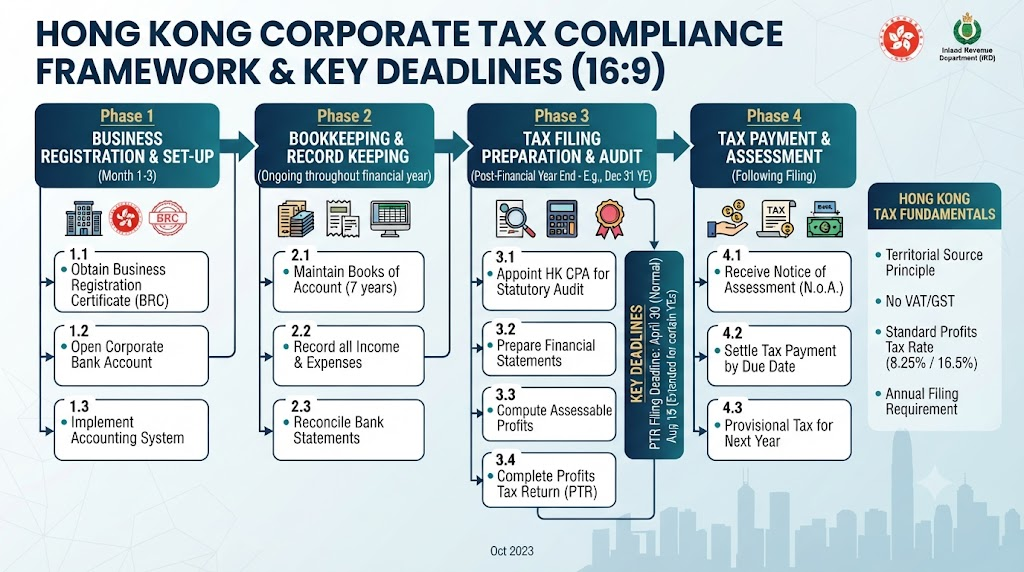
To succeed, US founders must utilize the US-HK Dual-Compliance Velocity Framework. This methodology balances Hong Kong’s business-friendly regulations with the strict reporting requirements of the US tax system.
“For US citizens, a Hong Kong company is not a tax shelter, but a highly efficient operational vehicle. Understanding how Hong Kong’s territorial tax system interacts with US global taxation is the difference between a thriving business and a costly audit.”
— Jonathan Vance, CPA, US-HK International Tax Specialist
Under the rules of the Hong Kong Companies Registry, foreign ownership is fully permitted. You do not need a local partner or director to set up your business.
Hong Kong uses a territorial tax system. This means only profits sourced directly within Hong Kong are subject to the local corporate tax rate of 8.25% on the first HKD 2 million, and 16.5% on profits above that.
Any foreign source income generated outside of Hong Kong can qualify for a 0% tax rate locally. However, as a US citizen, your tax obligations do not end at the Hong Kong border.
Navigating US Tax Obligations: Form 5471, CFC, and GILTI Rules
The primary challenge of HK company formation US tax planning is the US worldwide tax system. The Internal Revenue Service (IRS) monitors all foreign corporate interests held by US persons.
If you own more than 50% of a Hong Kong company, that business is classified as a Controlled Foreign Corporation (CFC). This classification triggers several key US tax obligations:
- IRS Form 5471 Hong Kong Reporting: You must file this form annually with your US tax return. It is an information return that discloses the company’s financial state, transactions, and ownership structure.
- GILTI Tax Implications: Under Global Intangible Low-Taxed Income rules, active business earnings from your foreign corporation may be taxed in the US as they are earned, even if you do not distribute those profits as dividends.
- Hong Kong Corporate Tax US Expat Treatment: While you may pay low or no taxes in Hong Kong, you must structure your US filings carefully to avoid double taxation on the same income.
Maintaining a Hong Kong offshore company US citizen structure requires precise accounting. Accurate bookkeeping ensures you can claim foreign tax credits or utilize specific exclusions to minimize your US tax exposure.
Hong Kong vs. US LLC vs. Singapore: A Strategic Comparison
Founders often compare Hong Kong with other popular jurisdictions. The right choice depends on your business model, target market, and growth plans.
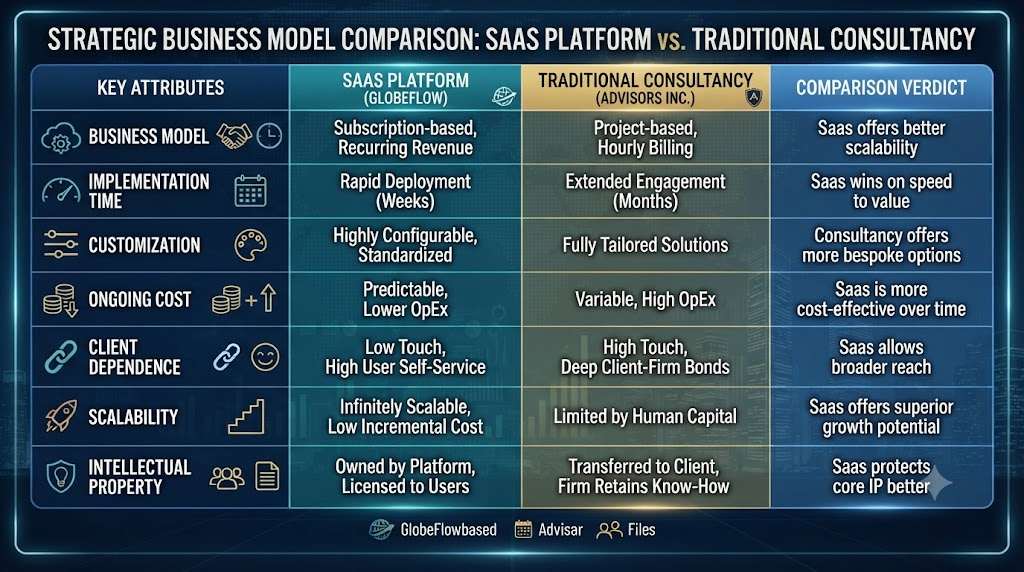
For example, a Web3 startup in Cyberport benefits greatly from Hong Kong’s clear digital asset regulations. A cross-border e-commerce firm might prefer Hong Kong’s logistics network, while a software developer might weigh a US LLC against a Singapore structure.
| Feature | Hong Kong Company | US LLC (Single Member) | Singapore Co. (Pte Ltd) |
|---|---|---|---|
| Corporate Tax Rate | 8.25% – 16.5% (Territorial) | Pass-through (Personal rates) | 17% (Partial exemptions) |
| US Tax Reporting | Form 5471 Required | Schedule C (Standard filing) | Form 5471 Required |
| Web3 & Tech Friendly | High (Clear local frameworks) | Moderate (Varies by state) | High (Strong support) |
| Audit Requirement | Mandatory annual audit | None | Exempt for small companies |
While a US LLC is simple to run, a Hong Kong company offers a more professional image for international clients. It also provides a solid foundation for raising capital in Asia.
The FATCA & Corporate Banking Reality for US Beneficial Owners
Under the Foreign Account Tax Compliance Act (FATCA), financial institutions globally must report assets held by US taxpayers to the US government. This makes opening a corporate bank account in Hong Kong more complex for US citizens.
Many traditional banks in Hong Kong perform extensive background checks on any US beneficial owner. To secure a Corporate Bank Account Opening, you must prepare a comprehensive application package.
Required Documentation Checklist
- Valid US Passport and Proof of Address
- Completed IRS W-9 Form (for FATCA reporting)
- Detailed Business Plan with proof of trading (invoices, contracts)
- Source of wealth documentation for all ultimate beneficial owners
- Hong Kong company incorporation documents (CI, NNC1, BR)
Because traditional bank applications can take several weeks, many modern companies also set up a multi-currency business account with digital business platforms. These digital accounts are fully compliant and offer faster setup times for global operations.
Step-by-Step HK Company Incorporation for US Founders
The process of HK company remote registration US is straightforward when handled by a licensed professional. Working with a registered Trust or Company Service Provider (TCSP) ensures that all local requirements are met without any middlemen.
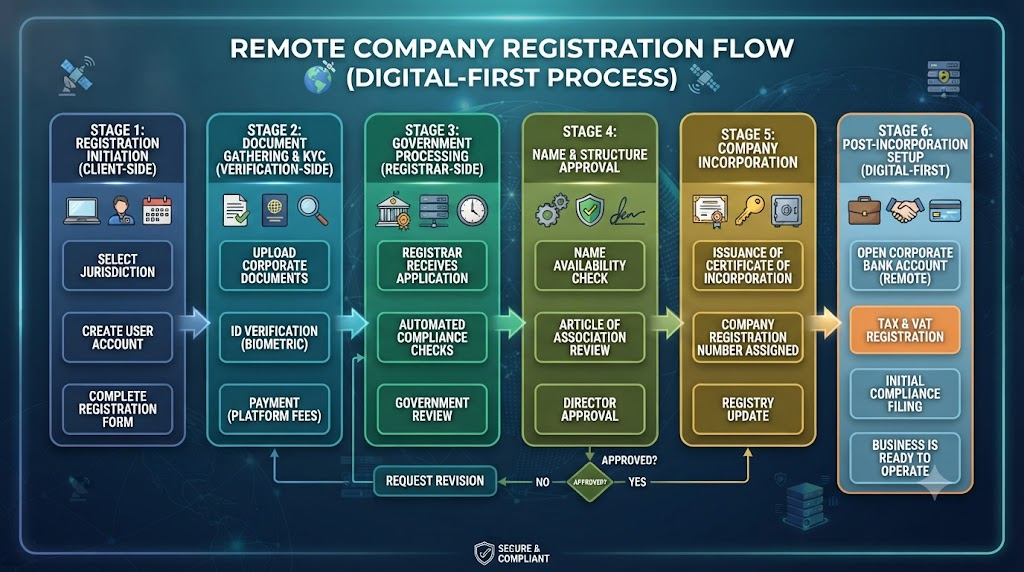
As a first-hand provider holding TCSP License TC010076, Olesen Global manages the entire setup process. This includes handling local KYC verification, setting up your registered office, and managing ongoing compliance.
- Choose Your Company Name: Select a unique English or Chinese name. We will verify its availability with the Hong Kong Companies Registry.
- Designate Directors and Shareholders: Appoint at least one director and one shareholder (both can be the same US citizen).
- Appoint a Company Secretary: Hong Kong law requires a local company secretary. Our team handles these company secretary services to keep your business in good standing.
- Submit the Application: We prepare and file the incorporation documents (Form NNC1) and apply for your Business Registration Certificate (BRC).
- Open Your Bank Account: Once incorporated, we help you apply for your corporate bank account using our established banking relationships.
Data & Statistics: The Cost of Non-Compliance
The regulatory landscape has become increasingly strict. The IRS has expanded its focus on foreign asset reporting, making compliance a top priority for overseas business owners.
“Failing to file Form 5471 is one of the most common and expensive mistakes US expats make. The penalty is automatic, and the statute of limitations on your entire tax return remains open until the form is filed.”
— Shirley Chen, Compliance Director at Olesen Global
Filing late or failing to file Form 5471 carries an automatic $10,000 penalty per year, which can rise to $60,000 if ignored. Working with an experienced partner helps you avoid these risks and maintain a clean compliance record.
| Compliance Area | Standard Requirement | Penalty for Non-Compliance |
|---|---|---|
| IRS Form 5471 | Annual filing with US Tax Return | $10,000 minimum penalty per form |
| HK Annual Audit | Mandatory CPA audit of accounts | Court summons, local fines up to HKD 300,000 |
| FATCA Reporting | Bank reporting of US account owners | Account closure, freeze of corporate funds |
| HK Business Registry | Annual Return (NAR1) filing within 42 days | Escalating late fees up to HKD 3,480 |
Using a professional firm for Accounting & Audit Services ensures your business meets both Hong Kong’s auditing standards and the reporting requirements of the US tax system.
Frequently Asked Questions (FAQs)
How do I verify a provider’s TCSP license in Hong Kong?
You can verify a company’s license through the Registry of Trust and Company Service Providers database. Olesen Global is fully registered under TCSP License TC010076, ensuring professional, compliant corporate services.
Does owning a Hong Kong company trigger US self-employment tax?
Generally, earnings retained within a foreign corporation (CFC) are not subject to US self-employment tax. However, salaries paid directly to you as an employee of your Hong Kong company may be subject to US payroll taxes, depending on your residency status.
What are the mandatory annual accounting and audit requirements in Hong Kong?
Every Hong Kong company must maintain proper books of accounts and undergo an annual audit by a Hong Kong Certified Public Accountant (CPA). These audited financial statements must be submitted to the Inland Revenue Department (IRD) along with the Profits Tax Return.
How does double taxation work for a US expat entrepreneur?
The US offers mechanisms like the Foreign Earned Income Exclusion (FEIE) and the Foreign Tax Credit (FTC) to prevent double taxation. Proper structuring ensures you do not pay tax on the same income to both the Hong Kong IRD and the US IRS.
Pave Your Action Path: Compliant HK Setup with Olesen Global
Launching an international business is a major step. To protect your investment, you need a setup that is fully compliant with both Hong Kong law and US tax regulations.
Olesen Global is a first-hand licensed service provider with a physical office in Hong Kong. We offer direct, transparent support with no middlemen, providing a clear path to growth for international founders.
Ready to Set Up Your Hong Kong Company?
Work with our compliance experts to build a secure, efficient corporate structure tailored to your business goals.