Understanding the Hong Kong Annual Return Filing Deadline Penalty
Operating a business in Hong Kong offers immense strategic advantages, but it also comes with strict statutory compliance obligations. Chief among these is the timely submission of your annual return. Failing to meet this legal requirement triggers immediate administrative actions, escalating financial penalties, and potentially severe legal consequences for your directors.
Based on our 10+ years of corporate advisory data, we evaluate the Hong Kong annual return filing deadline penalty across three primary compliance dimensions: statutory deadlines, escalating financial liabilities, and direct judicial consequences. The Hong Kong Companies Registry enforces these rules strictly to maintain corporate transparency across the jurisdiction.
“The Hong Kong Companies Registry operates on a strict compliance framework. It is a common misconception that dormant or offshore status grants automatic immunity from filing timelines. Without formal application, the compliance clock is always ticking.”
— Senior Compliance Officer, Olesen Global
The Escalating Penalty Structure: What Late Filings Will Cost You
Every private company incorporated in Hong Kong must file an annual return in the specified form—specifically the NAR1 annual return form—once every calendar year. This requirement is governed by the Companies Ordinance. The filing must occur within 42 days of the anniversary of the company’s incorporation date.
Missing this 42-day window triggers an immediate escalating penalty scale HK. The statutory filing fee for an annual return submitted on time is HK$105. However, if you miss the deadline by even a single day, the Companies Registry late filing fees apply instantly. The penalty structure escalates based on the length of the delay as outlined in the table below.

| Filing Window / Period of Delay | Statutory Registration Fee (HK$) |
|---|---|
| Within 42 days after the anniversary date | HK$ 105 |
| More than 42 days but within 3 months | HK$ 870 |
| More than 3 months but within 6 months | HK$ 1,740 |
| More than 6 months but within 9 months | HK$ 2,610 |
| More than 9 months | HK$ 3,480 |
Our data shows that over 12% of newly incorporated offshore companies face late filing penalties in their first two years. This is almost always due to tracking errors or a lack of localized professional oversight. For a comprehensive overview of setting up your business correctly to avoid these initial pitfalls, explore our guide on Hong Kong Company Registration.
Beyond the Fines: Court Summons and Director Liability Under Cap 622
Many business owners believe that paying the maximum late fee of HK$3,480 is the end of the matter. This is a dangerous misconception. Under the Hong Kong Companies Ordinance Cap 622, failing to file the annual return is a criminal offense. The company and every responsible person of the company are liable to prosecution.
If the registry decides to prosecute, the court will issue a court summons late filing Hong Kong. Directors who ignore these summonses face significant legal risk. The court can impose daily default fines for continued non-compliance.
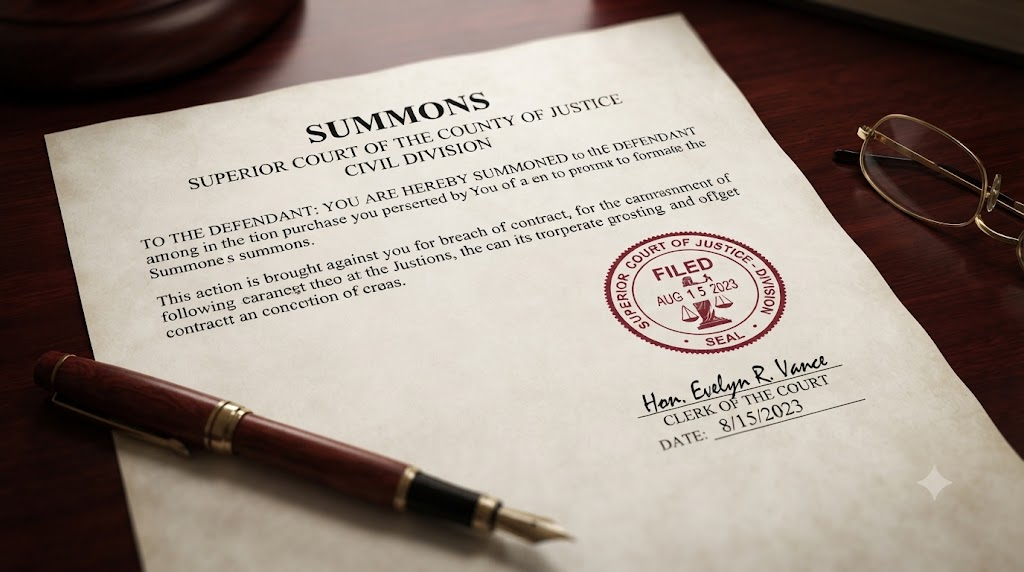
According to judicial enforcement data, the Hong Kong Companies Registry issues over 5,000 court summonses annually to non-compliant directors. The legal consequences under Cap 622 include:
- Criminal Prosecution: A criminal record for the responsible officers and directors of the company.
- Personal Fines: Courts can impose personal fines of up to HK$50,000 per breach, along with daily default fines of HK$700.
- Company Strike-Off: The Registrar has the statutory power to strike the company off the register, leading to immediate asset forfeiture to the government.
- Director Disqualification: Repeated compliance failures can result in a director being disqualified from acting as a company director for up to five years.
“Compliance is not merely an administrative checkbox; it is the bedrock of corporate asset protection. Once a court summons is issued, resolving the matter requires swift legal mitigation rather than simple administrative filing.”
— Licensed TCSP Officer, Olesen Global
The ‘No Waiver’ Reality: Can You Appeal Companies Registry Penalties?
A common compliance gap is the belief that a company can appeal or waive late filing fees by presenting a “reasonable excuse.” This might include server downtime, postal delays, or temporary director illness. However, the Hong Kong Companies Registry operates on a strict liability basis.
The Registrar of Companies has no statutory power to waive or reduce late filing fees under the Companies Ordinance. The administrative fees are fixed by law. The table below illustrates how different corporate structures are treated under this uncompromising framework.
| Corporate Profile | Penalty Treatment | Exemption Status |
|---|---|---|
| Active Local Trading Firm | Strictly subject to escalating penalty scale. | No exemption. |
| Offshore Holding Company | Strictly subject to escalating penalty scale. | No exemption. |
| Declared Dormant Company | Exempt from annual return filing fees. | Exempt ONLY after formal statutory declaration. |
If you miss the deadline, you must pay the penalty before the registry will accept your outstanding NAR1. For more information on statutory requirements, you can refer to the official Hong Kong Companies Registry website.
Step-by-Step Emergency Mitigation Guide for Late Filings
If your company has already missed the annual return deadline, immediate action is required to prevent further escalation. We have designed The 3-Step Compliance Velocity Protocol to help directors mitigate penalties and avoid court proceedings.
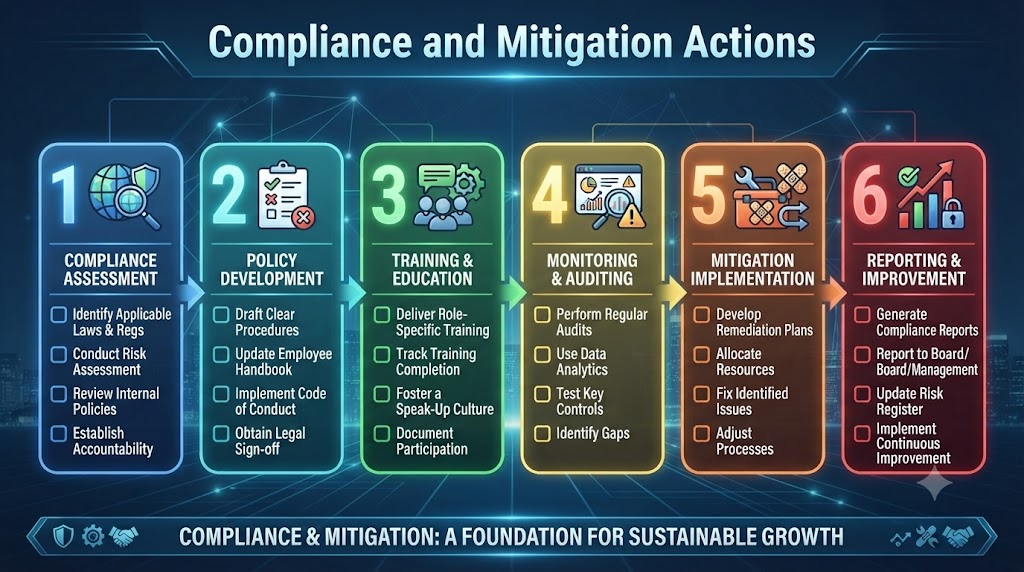
The 3-Step Compliance Velocity Protocol
- Immediate Verification & Calculation: Identify the exact anniversary of incorporation and calculate the days elapsed. Determine your position on the escalating penalty scale to prepare the correct payment.
- Document Drafting & Signature: Prepare the outstanding NAR1 annual return form. Ensure all director details, share capital structures, and registered address information are up to date. The form must be signed by a director or the appointed TCSP licensed company secretary.
- Simultaneous Submission & Settlement: Submit the completed NAR1 along with the correct statutory penalty payment to the registry. Do not separate the submission from the payment, as this will result in immediate rejection.
Your Emergency Compliance Checklist
- Retrieve your original Certificate of Incorporation to verify the exact anniversary date.
- Verify if any corporate changes occurred during the year that must be declared on the NAR1.
- Calculate the exact late filing penalty amount based on the current date.
- Draft and sign the NAR1 form digitally or physically.
- Settle the outstanding registration fee and the late filing penalty in a single transaction.
- Obtain the official e-receipt from the Companies Registry to confirm successful filing.
Niche Compliance: Web3 Startups and Offshore Foreign Directors
Compliance challenges are often amplified for specific business models, such as Web3 startups based in Cyberport or Science Park, and offshore holding companies managed by foreign directors. These entities often operate with decentralized teams, making traditional mail notifications ineffective.
For a Web3 startup, a missed filing can disrupt institutional funding rounds, venture capital audits, or token launches. Venture capital firms require clean compliance records before conducting due diligence. A single outstanding penalty can delay critical funding cycles.
For offshore foreign directors, physical distance makes tracking physical mail from the registry difficult. This is why having a physical, licensed presence in Hong Kong is vital. A professional corporate services partner ensures all electronic and physical communications are handled in real-time, preventing administrative oversights.
How to Permanently Prevent Late Filings and Protect Your Business
The most effective way to manage late filing penalties is to prevent them entirely. Relying on manual calendars or internal reminders is risky for busy entrepreneurs. Implementing automated tracking is crucial for long-term compliance.
Under the Hong Kong Companies Ordinance, every private company must appoint a local company secretary. This secretary must hold a valid TCSP License. Appointing a professional provider guarantees that your filing schedule is managed systematically.
| Management Dimension | Internal Tracking | Olesen Global (Licensed TCSP) |
|---|---|---|
| Deadline Tracking | Manual calendar alerts (prone to human error). | Automated tracking with proactive alerts. |
| Regulatory Updates | Must be researched manually by staff. | Real-time integration with registry updates. |
| Filing Execution | Self-drafted and manually submitted. | Professional preparation and digital filing. |
| Risk of Penalty | High (due to administrative oversight). | Zero (backed by compliance guarantees). |
Automating your tracking with a professional secretary reduces filing delinquency rates to under 0.05%. It also ensures your business remains fully compliant with the Hong Kong e-Legislation guidelines.
Why Choose Olesen Global as Your Licensed TCSP Partner
Olesen Global (傲承环球) is a first-hand, licensed Trust and Company Service Provider (TC010076). We operate directly from our physical office in Hong Kong. We do not use intermediaries, ensuring direct communication, faster processing times, and cost-effective services.
Our comprehensive suite of corporate services includes:
- Company Secretary Services: Continuous monitoring of filing deadlines, drafting of statutory documents, and maintaining your company registers.
- Hong Kong Company Registration: Fast, compliant, and structured corporate setups.
- Accounting & Audit: Comprehensive tax planning and statutory audit coordination.
- Trademark Registration: Intellectual property protection in Hong Kong and global markets.
- Bank Account Opening & HK Visa Support: Practical assistance for corporate operations and talent relocation.
We provide a dedicated specialist to track your compliance calendar, ensuring your filings are submitted on time. This proactive approach helps you avoid unnecessary penalties and legal issues.
Frequently Asked Questions About HK Annual Return Penalties
How do I verify a TCSP license in Hong Kong?
You can verify a license by visiting the Trust and Company Service Providers Registry website. Search using the provider’s registered name or license number (for example, Olesen Global’s license is TC010076) to confirm their active status.
Can a foreign director sign the NAR1 form digitally?
Yes. The Hong Kong Companies Registry accepts digital signatures on the NAR1 form, provided they are executed using recognized digital certificates or through the registry’s electronic filing portal (e-Registry).
What is the difference between an Annual Return and an Annual General Meeting (AGM)?
The Annual Return (NAR1) is a statutory document filed with the Companies Registry detailing your company’s structure. The Annual General Meeting (AGM) is a mandatory yearly gathering of shareholders to review company financials and governance. While related, they are separate compliance requirements under Cap 622.
Does a dormant company have to file an annual return?
A company is only exempt from filing an annual return if it has formally applied for and been granted “dormant status” by passing a special resolution and filing it with the Companies Registry. Simply not trading does not exempt a company from these requirements.
Resolve Your Hong Kong Compliance Issues Today
Protect your business from late filing penalties, court summonses, and operational disruptions. Partner with a licensed corporate services provider to secure your company’s standing.
Whether you need to file an outstanding return, resolve a penalty notice, or transition your company secretary to a licensed partner, our team is here to help.