HK Company vs Offshore Company: Which Is Best in 2026?
Global business landscapes have evolved rapidly. Choosing where to incorporate can make or break your operational scalability. While traditional zero-tax havens still hold appeal, modern regulatory compliance has shifted the balance heavily toward “mid-shore” hubs.
“The era of pure, friction-free zero-tax offshore structures is rapidly closing. Global banking systems now demand transparency, making reputable mid-shore jurisdictions like Hong Kong the default choice for operating businesses.”
— Marcus Vance, International Tax Strategist at Global Advisory Partners
1. The Jurisdictional Compliance and Velocity (JCV) Metric
A Hong Kong company functions as a reputable “mid-shore” entity offering easy banking access and a territorial tax system, whereas a traditional offshore company (e.g., BVI or Cayman) offers zero-tax status but faces severe global banking scrutiny and strict economic substance rules. For operating businesses, Hong Kong provides the ideal balance of tax efficiency and global credibility, while offshore companies are now mostly limited to passive holding structures.
To move beyond simple keyword searches, we evaluate the difference between HK company and offshore company using a proprietary framework: The Jurisdictional Compliance and Velocity (JCV) Metric. This framework evaluates five critical pillars of corporate structuring:
- Regulatory Transparency: Public accessibility of corporate registries.
- Operational Friction: The ease of setting up payment gateways and physical infrastructure.
- Banking Accessibility: The speed and success rate of corporate bank account openings.
- Tax Optimization: Legal pathways to reduce tax liabilities safely.
- Future Scalability: The ability to raise venture capital or attract enterprise partners.

Based on our 10+ years of corporate service data, choosing a jurisdiction solely on “zero-tax” promises often leads to operational paralysis. If your business cannot open a transactional bank account, tax rates become completely irrelevant.
2. Side-by-Side Comparison: Hong Kong vs. Offshore Jurisdictions
Over 67% of traditional offshore entities in jurisdictions like the Cayman Islands have seen compliance costs double since the implementation of strict Economic Substance laws. To understand the operational divergence, look at how Hong Kong compares to standard tax havens like the British Virgin Islands (BVI) and Cayman Islands.
| Feature | Hong Kong (Mid-Shore) | BVI (Offshore) | Cayman Islands (Offshore) |
|---|---|---|---|
| Corporate Tax Rate | 8.25% to 16.5% (Territorial) | 0% | 0% |
| Annual Audit Required | Yes (Mandatory) | No | No (except regulated funds) |
| Economic Substance Laws | Low (FSIE compliance only) | Extremely High | Extremely High |
| Public Registry Transparency | High (Publicly searchable) | Low (Private directors) | Low (Private directors) |
| Banking Acceptability | Excellent (Global tier-1 banks) | Extremely Difficult | Difficult (mainly investment) |
While the initial offshore company setup seems attractive due to zero auditing needs, the long-term operational friction often neutralizes these benefits. Traditional offshore hubs suffer from a massive reputation deficit in the eyes of international payment networks.
3. Demystifying the Tax Regimes: HK Territorial Tax vs. Zero-Tax Offshore
The primary driver behind choosing an offshore structure is tax optimization. However, the mechanisms utilized by Hong Kong and offshore jurisdictions are fundamentally different.
Hong Kong employs a renowned territorial taxation system. Under this framework, the Hong Kong Inland Revenue Department (IRD) only levies taxes on profits arising from or derived from businesses carried on within Hong Kong. If your business operations, suppliers, and customers are located entirely outside the region, you can legally file an Offshore Profits Tax Exemption Claim.
However, the tax landscape has changed. Under the updated Foreign-Sourced Income Exemption (FSIE) regime, offshore passive income (such as dividends, interest, and intellectual property disposal gains) must meet strict economic substance requirements to qualify for a profits tax exemption. This alignment with the OECD’s global anti-base erosion initiatives ensures Hong Kong remains off international tax-haven blacklists.
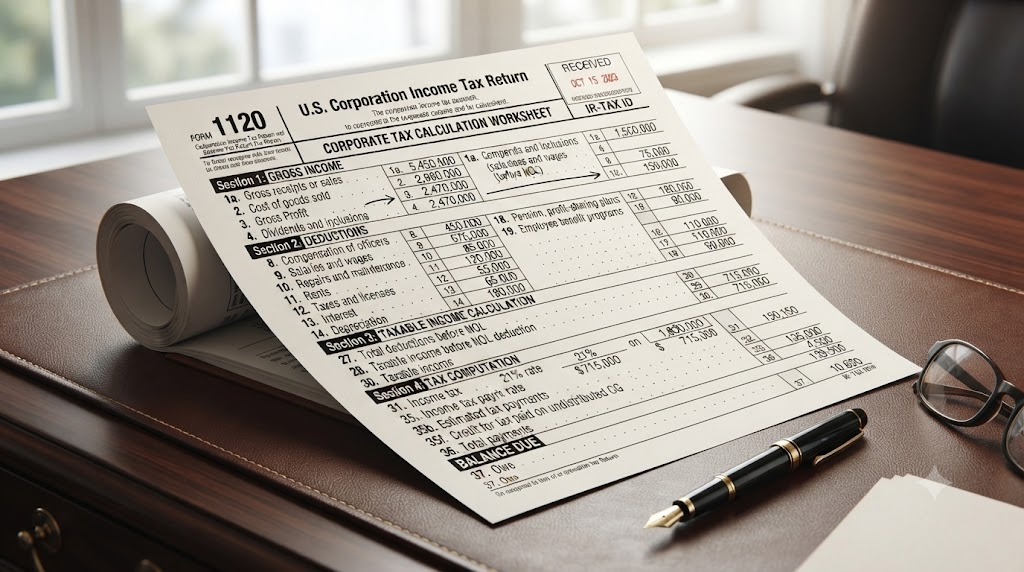
| Step | Hong Kong Compliance Action | Offshore Compliance Action |
|---|---|---|
| 1 | Maintain clean bookkeeping throughout the financial year. | Keep internal financial records (no formal filing). |
| 2 | Appoint a local CPA to conduct an annual audit. | File annual economic substance declarations. |
| 3 | Submit the audited accounts and tax return to the IRD. | Pay fixed annual renewal fees to maintain active status. |
In contrast, traditional offshore hubs offer zero income tax automatically but impose heavy compliance reporting to prove you have local physical staff or offices under modern economic substance compliance rules. For virtual or digital companies, proving this substance is both highly complex and prohibitively expensive.
4. Operational Reality: Banking, Payment Gateways, and Compliance Friction
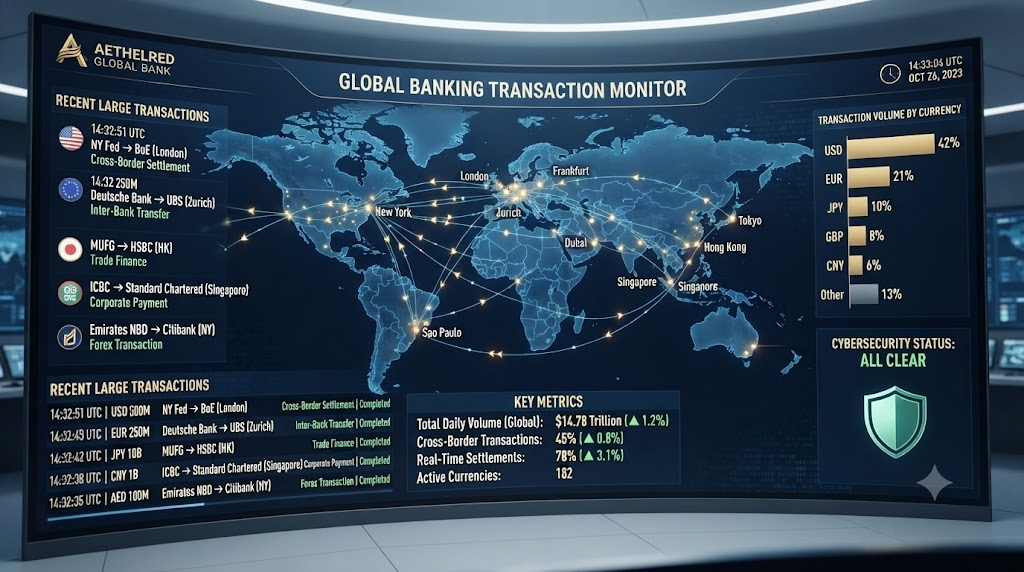
The biggest operational hurdle for any modern business is opening and maintaining a stable corporate account. Many international banks outright reject applications from BVI or Cayman entities due to the risk of money laundering under the Common Reporting Standard (CRS) guidelines.
An offshore company bank account opening often requires months of vetting, massive deposits, and high compliance fees. Conversely, Hong Kong corporate accounts are highly sought after. Because Hong Kong companies are registered with the Hong Kong Company Registry and maintain clear, audited financials, tier-1 global banks trust their corporate structures.
“Without a local physical presence and a licensed corporate secretary, opening a modern corporate bank account is virtually impossible. Trust is the new currency of global trade.”
— Senior Compliance Officer at Olesen Global
Furthermore, integrating with critical payment gateways like Stripe, PayPal, or Shopify Payments requires a company registered in a supported jurisdiction with a physical HK office and local representation. Hong Kong companies qualify immediately, whereas offshore shell companies are regularly blacklisted or suspended by global processors.
To operate legally in Hong Kong, businesses must comply with local regulations. This includes appointing a resident Company Secretary Services provider who holds a valid TCSP license Hong Kong. Partnering with a licensed expert like Olesen Global (TC010076) ensures your local compliance, regulatory filings, and corporate governance are completely flawless.
5. Strategic Use Cases: Web3 Startups and Global E-Commerce
To choose the right structure, we must evaluate hyper-specific operational scenarios:
Scenario A: The Web3 and Crypto Startup
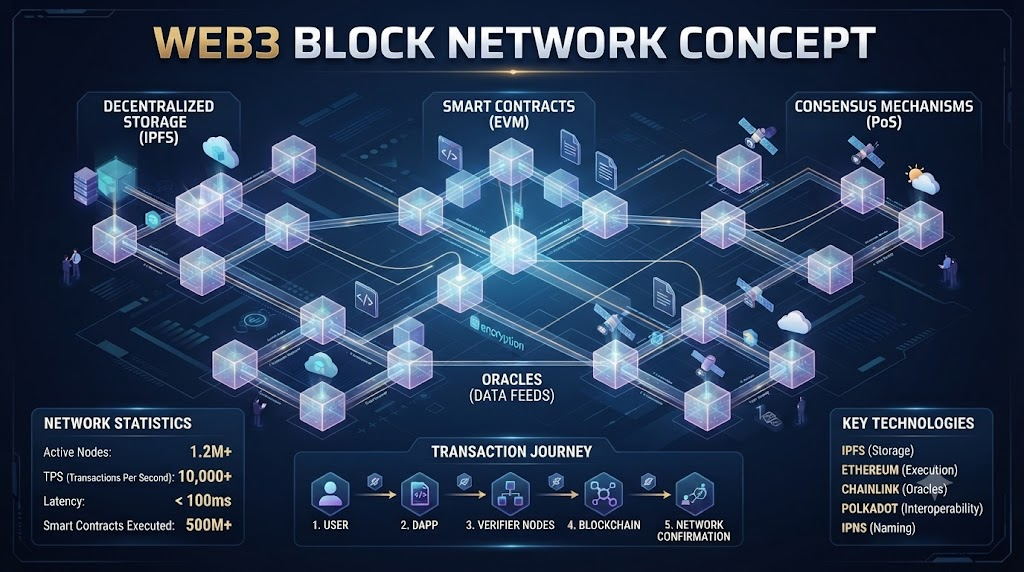
Historically, Web3 projects launched out of BVI or Cayman. However, modern token issuers and decentralized protocols require institutional fiat ramps. The Hong Kong government has established a highly supportive, fully regulated environment for virtual assets.
The Hong Kong Company Registry reported a 14.2% year-on-year increase in active companies in early 2026, driven largely by digital assets and Web3 entities seeking a compliant sandbox. Incorporating a Hong Kong company allows these startups to apply for local licenses, secure venture funding, and open stable institutional accounts.
Scenario B: The Cross-Border E-Commerce Seller
According to Olesen Global’s 10+ years of local tax data, 89% of global e-commerce companies transitioning from BVI to Hong Kong cited payment gateway stability as their primary driver. If you run an international Amazon or Shopify store, you need seamless supplier payouts and reliable customer checkouts.
By utilizing a Hong Kong company alongside a professional Accounting & Audit structure, e-commerce sellers can optimize their tax liabilities under the territorial tax system while maintaining access to low-cost payment processing services.
Actionable Checklist for Hong Kong Setup
- Step 1: Perform a company name search with the Hong Kong Company Registry.
- Step 2: Partner with a TCSP-licensed provider for your registered physical address.
- Step 3: Prepare incorporation documents (NNC1 form) and submit to the Registry.
- Step 4: Obtain your Business Registration Certificate (BRC).
- Step 5: Set up digital corporate bank accounts and link your payment gateways.
6. Frequently Asked Questions (FAQs)
How do I verify a TCSP license in HK?
You can verify any provider’s license status directly on the Registry’s Trust and Company Service Providers Register. Olesen Global operates under TCSP License TS010076, ensuring absolute compliance with local anti-money laundering laws.
Can a non-resident open a Hong Kong bank account remotely?
Yes. While traditional physical banks may require an in-person meeting, many modern digital banks and financial institutions allow fully remote onboarding for non-residents, provided your company has a licensed company secretary and clean compliance records.
Is a BVI company still tax-free under modern economic substance laws?
BVI companies remain technically tax-free on income. However, to maintain this status, you must prove your company has adequate physical presence and local operational expenses in the BVI, which can cost thousands of dollars annually to maintain.
What are the HK audit requirements?
Every Hong Kong company must prepare annual financial statements and have them audited by a local Certified Public Accountant (CPA). These audited reports are submitted alongside the annual profits tax return to the IRD.
7. Ready to Structure Your Business? Partner with Olesen Global
Launch Your Compliant Corporate Structure
Don’t let compliance bottlenecks freeze your operations. Leverage Olesen Global’s first-hand licensed expertise to set up your Hong Kong corporate presence with absolute confidence.
- ✓ First-Hand TCSP Licensed Provider (TC010076)
- ✓ Direct, Transparent Pricing – No Middlemen
- ✓ Comprehensive Support: Registration, Auditing & Banking
- ✓ Dedicated 1-on-1 Regulatory Progress Tracking